


Equipment Service Guides
Commercial Refrigerator Not Cooling
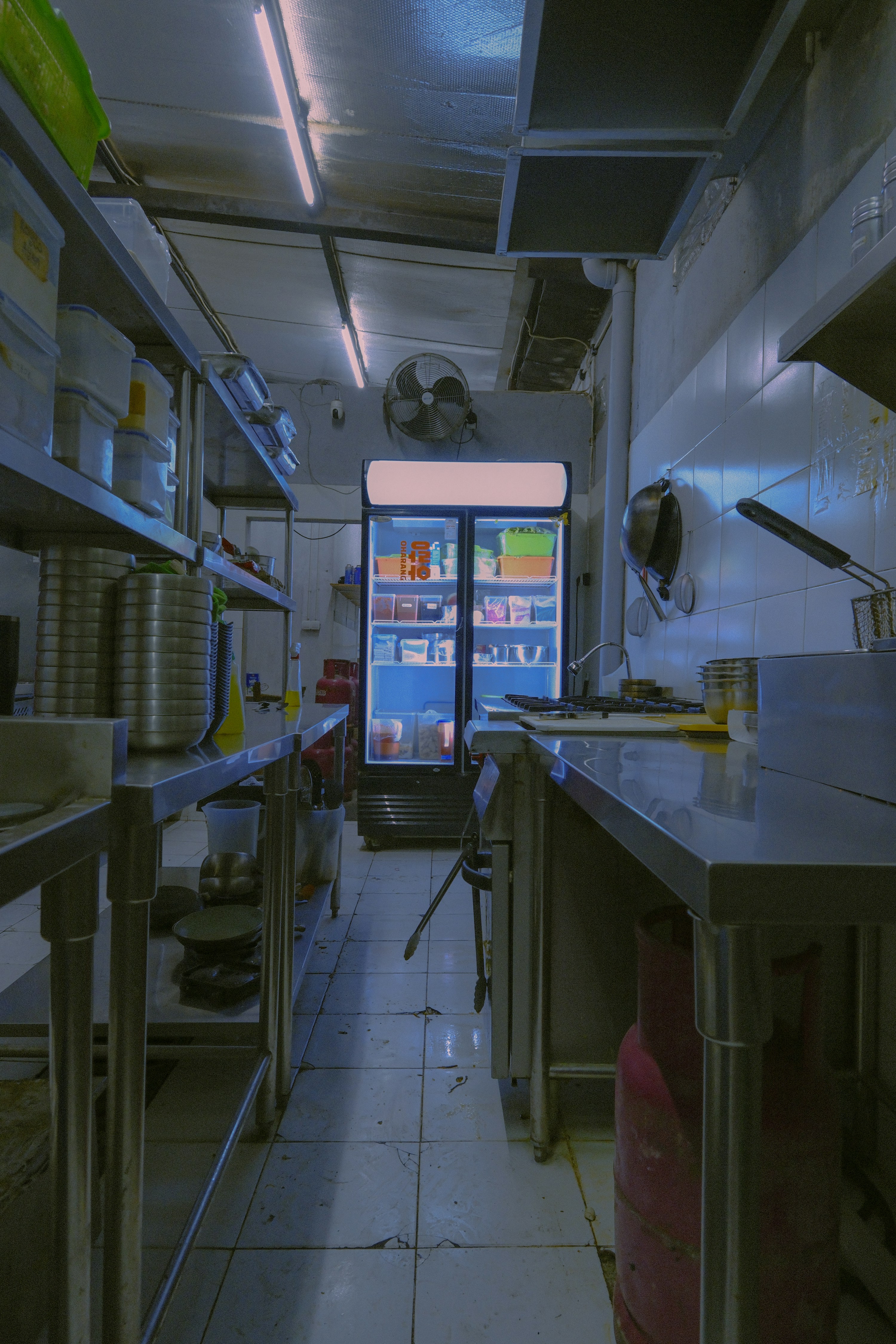
A warm cabinet needs a clear operating history before anyone assumes the compressor has failed. Compare what staff noticed during service with what happened after doors stayed closed.
Reach-In Freezer Running Constantly
Long operating periods can reflect the load on a freezer or an equipment problem. The useful starting point is whether this behavior is new and whether storage temperatures have changed.
Refrigerated Prep Table Temperature Problems
A prep table serves two jobs: holding ingredients near the work surface and refrigerating storage below. Report these zones separately so the service discussion matches the actual problem.
Commercial Refrigerator Leaking Water
Water beneath refrigerated equipment deserves attention even when the cabinet still seems cold. Identifying where and when moisture appears helps narrow the service request.
Refrigerator Door Gasket and Hinge Problems
A damaged gasket or misaligned door can make a refrigerator harder to use and allow unwanted air exchange. Include the door hardware and the cabinet condition in one service request.
Walk-In Cooler Temperature Recovery
A walk-in that recovers slowly after deliveries needs a different operating history from one that stays warm all night. A simple timeline helps explain the concern.
Walk-In Freezer Ice Buildup
Where ice forms is an important part of the service description. Ice at a doorway, on stored packaging, and around the evaporator may point to different concerns.
Walk-In Door Will Not Close
A walk-in door that needs an extra push can become a recurring operational problem. Report how the door moves and which part of the closing cycle fails.
Walk-In Evaporator Fan Noise
A new rattle or vibration inside a walk-in is worth documenting before it becomes intermittent. The location and timing help distinguish one fan area from the rest of the room.
Walk-In Cooler and Freezer Maintenance Planning
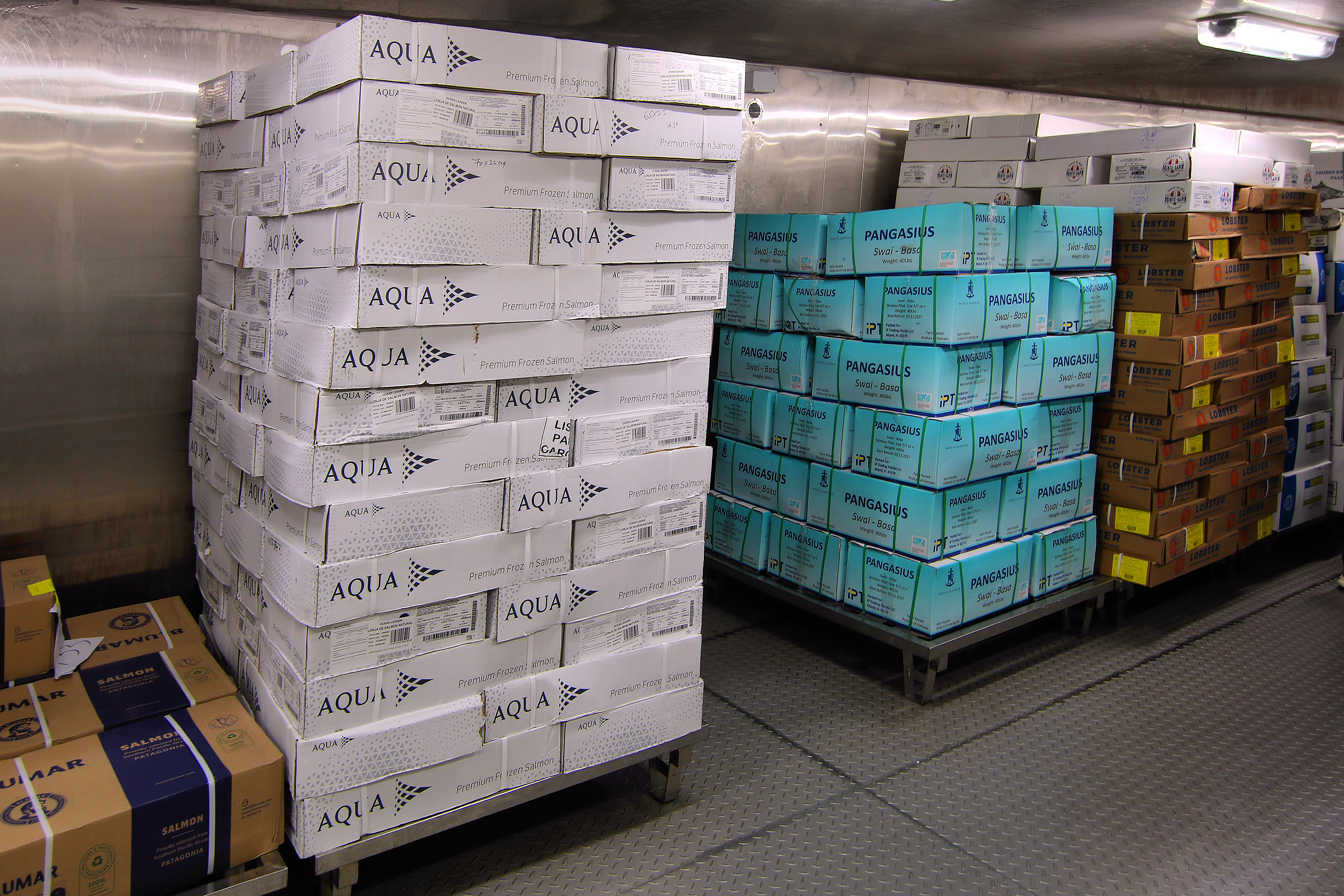
A useful maintenance plan starts with an equipment inventory and a record of recurring issues. It should reflect how the space is used rather than assume every walk-in needs identical work.
Commercial Ice Machine Low Production
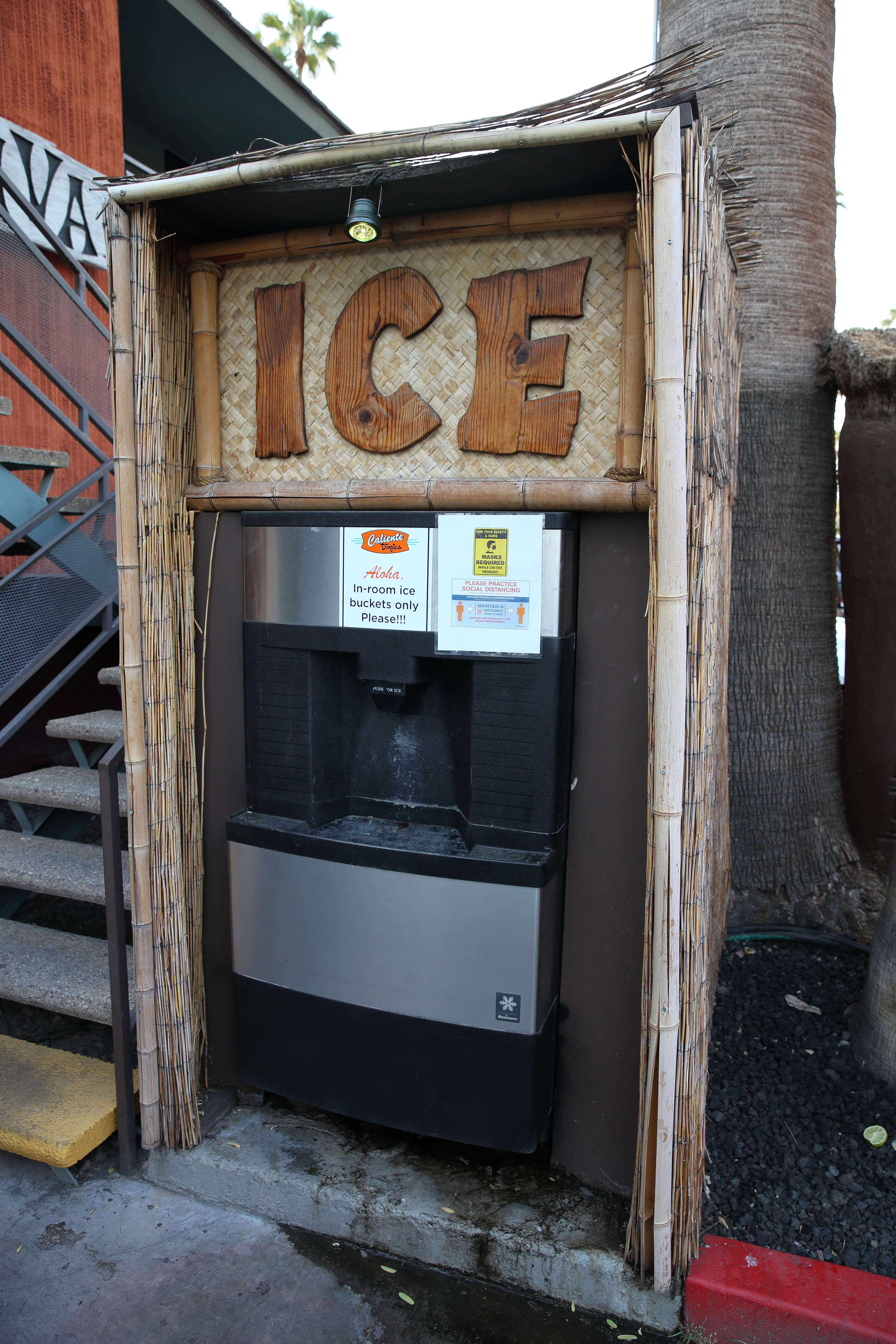
Less ice in the bin can result from higher demand or a change in production. Separate these two observations before describing the machine as undersized or broken.
Ice Machine Not Harvesting Ice
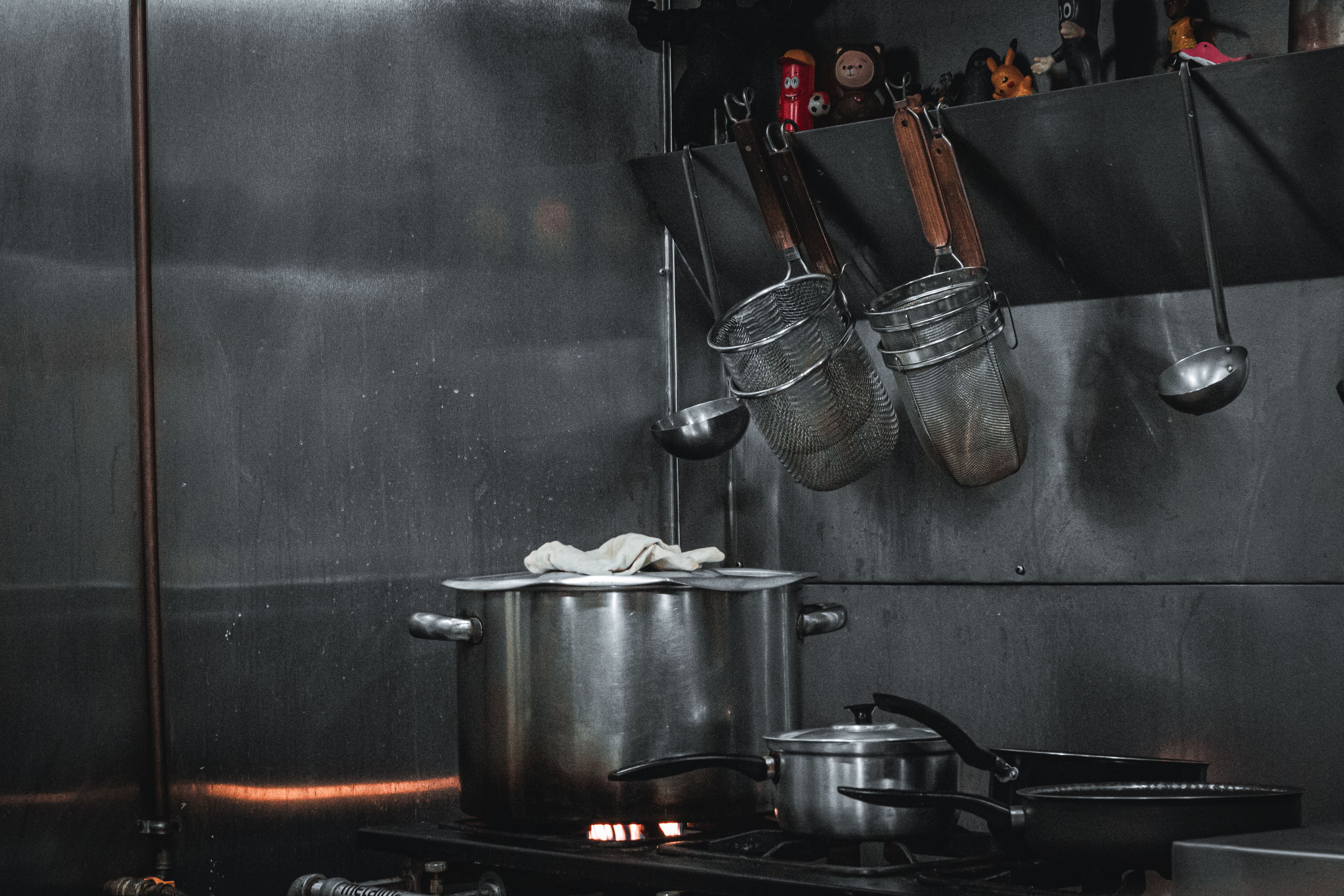
An ice machine that appears to freeze but does not release a batch needs model-specific diagnosis. Describe the sequence you can observe without opening service panels.
Ice Machine Water Leaks
An ice-machine leak can involve the machine, supply connection, drain, or surrounding plumbing. Start by identifying where water first becomes visible.
Ice Machine Cleaning and Sanitizing Service
Cleaning and sanitizing are different tasks, and the correct procedure depends on the machine. A service request should identify the model and the work previously completed.
Ice Machine Repair or Replacement Planning
A repair decision is easier when the equipment condition, production needs, and installation constraints are considered together. Age alone should not be the only information in the conversation.
Air Conditioner Blowing Warm Air
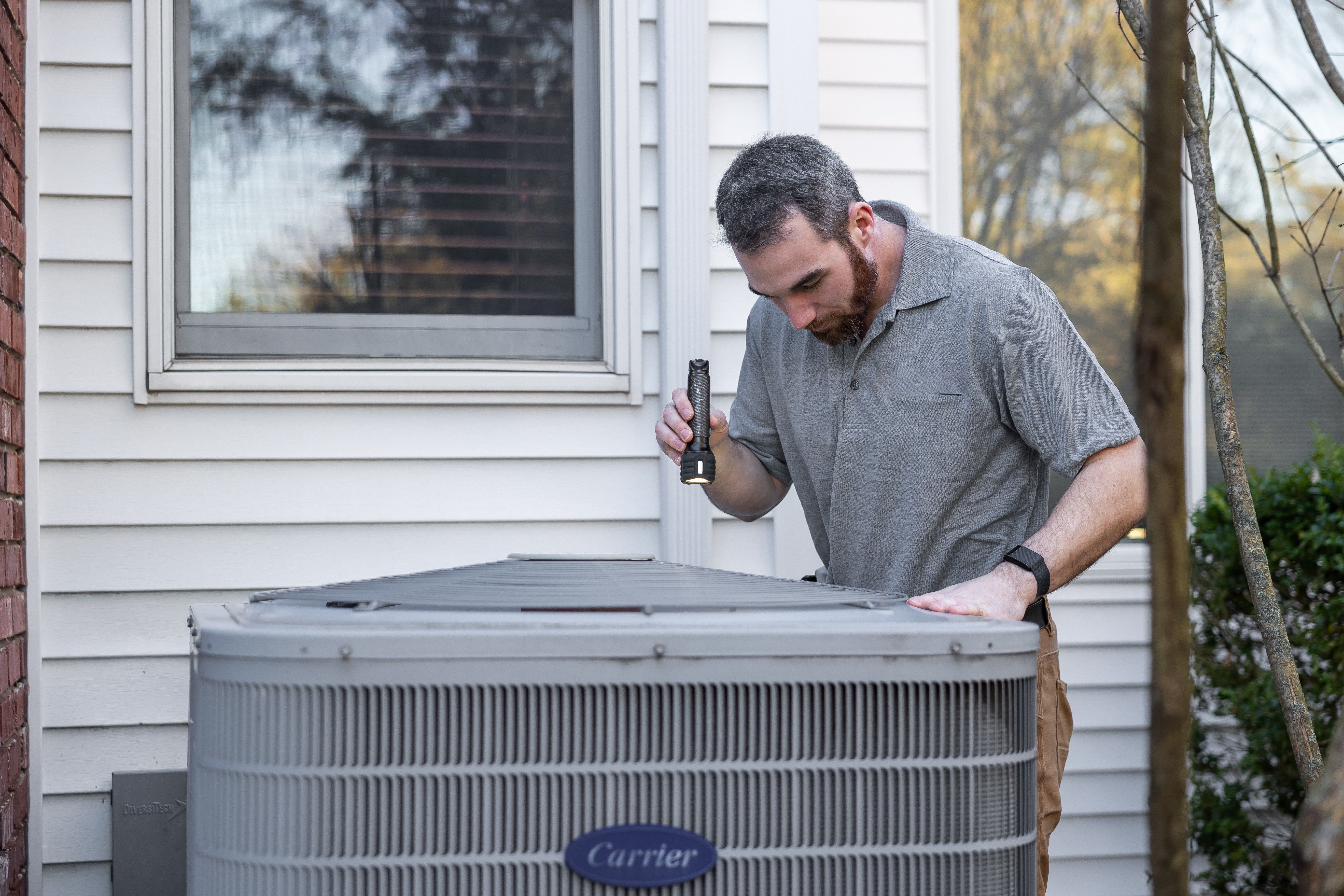
Warm supply air is a symptom, not a diagnosis. Tell ProTech whether the change affects the whole building, one zone, or one part of the day.
Uneven Cooling Between Rooms
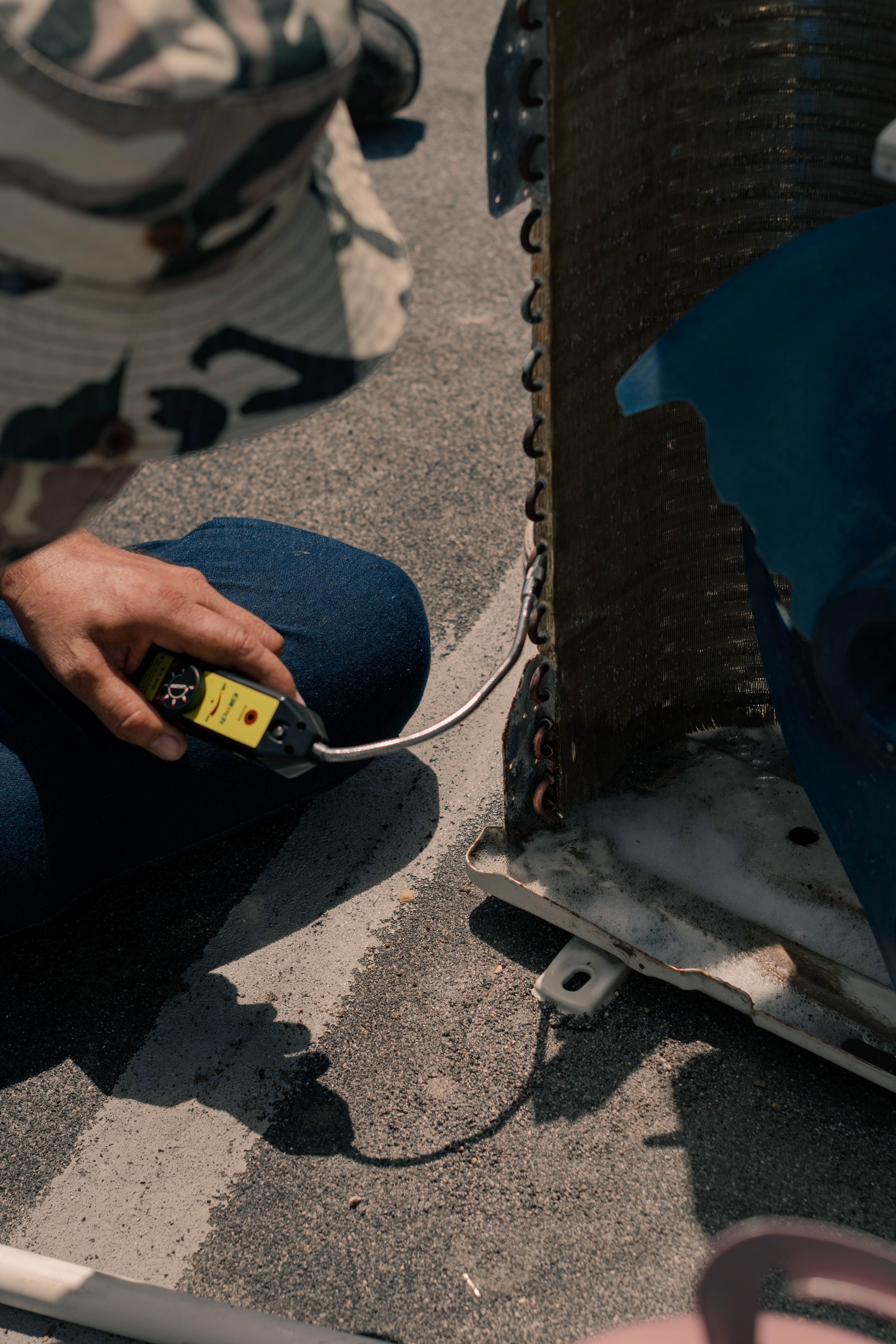
A comfortable room next to a warm one can reflect different loads, airflow, or control behavior. Document the pattern rather than comparing rooms at different times of day.
Air Conditioner Short Cycling
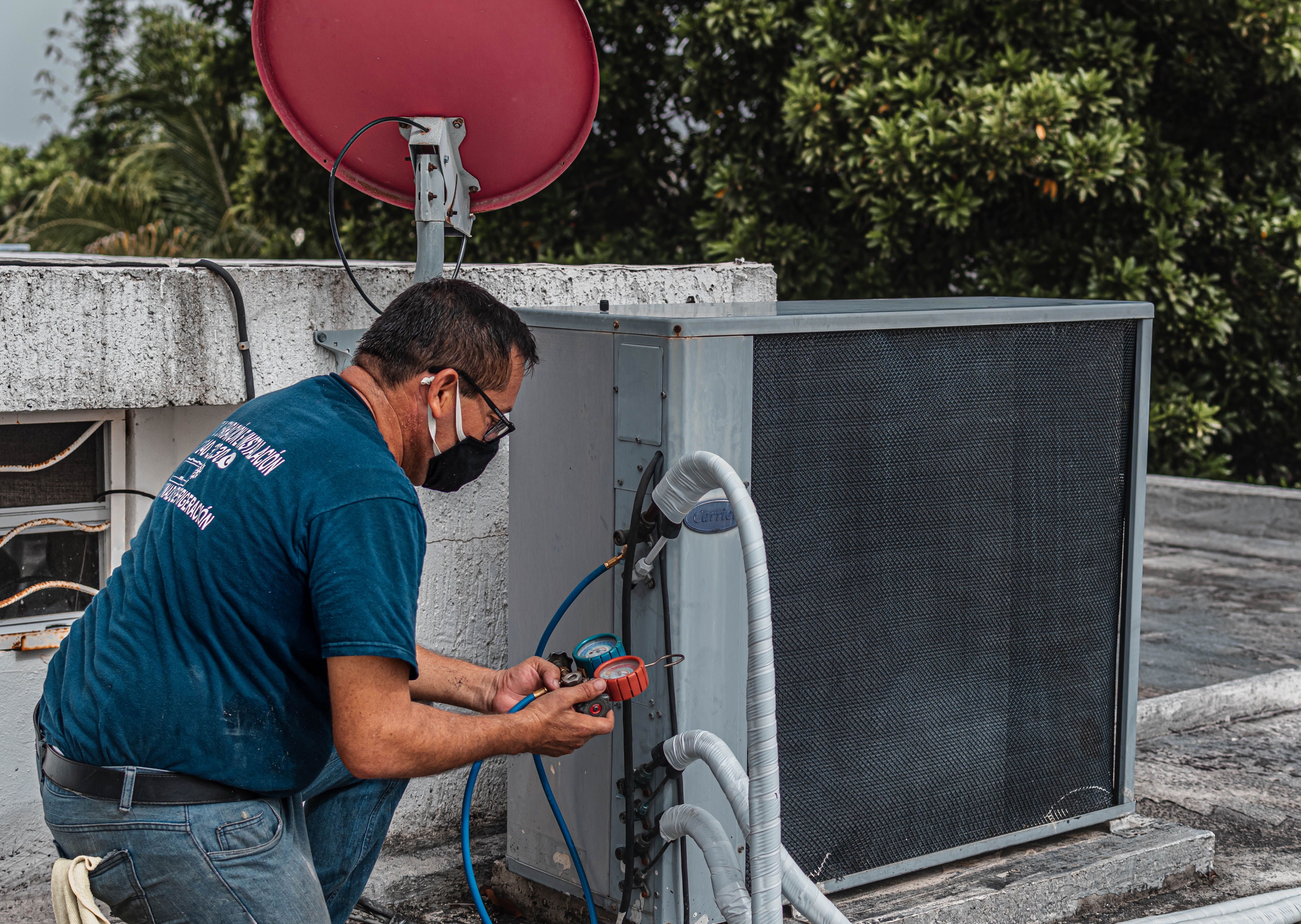
Frequent starts and stops deserve a clear timeline. Tell ProTech whether the behavior is new and whether the building reaches the thermostat setting.
Air Conditioner Condensate Drain Problems
Moisture around cooling equipment can appear even while rooms remain comfortable. Report the location before water affects nearby finishes or walking areas.
Commercial Rooftop Unit Service Preparation
A rooftop service visit requires more planning than a ground-level equipment check. Access details can prevent delays and help the technician reach the correct unit.
Furnace Not Producing Heat
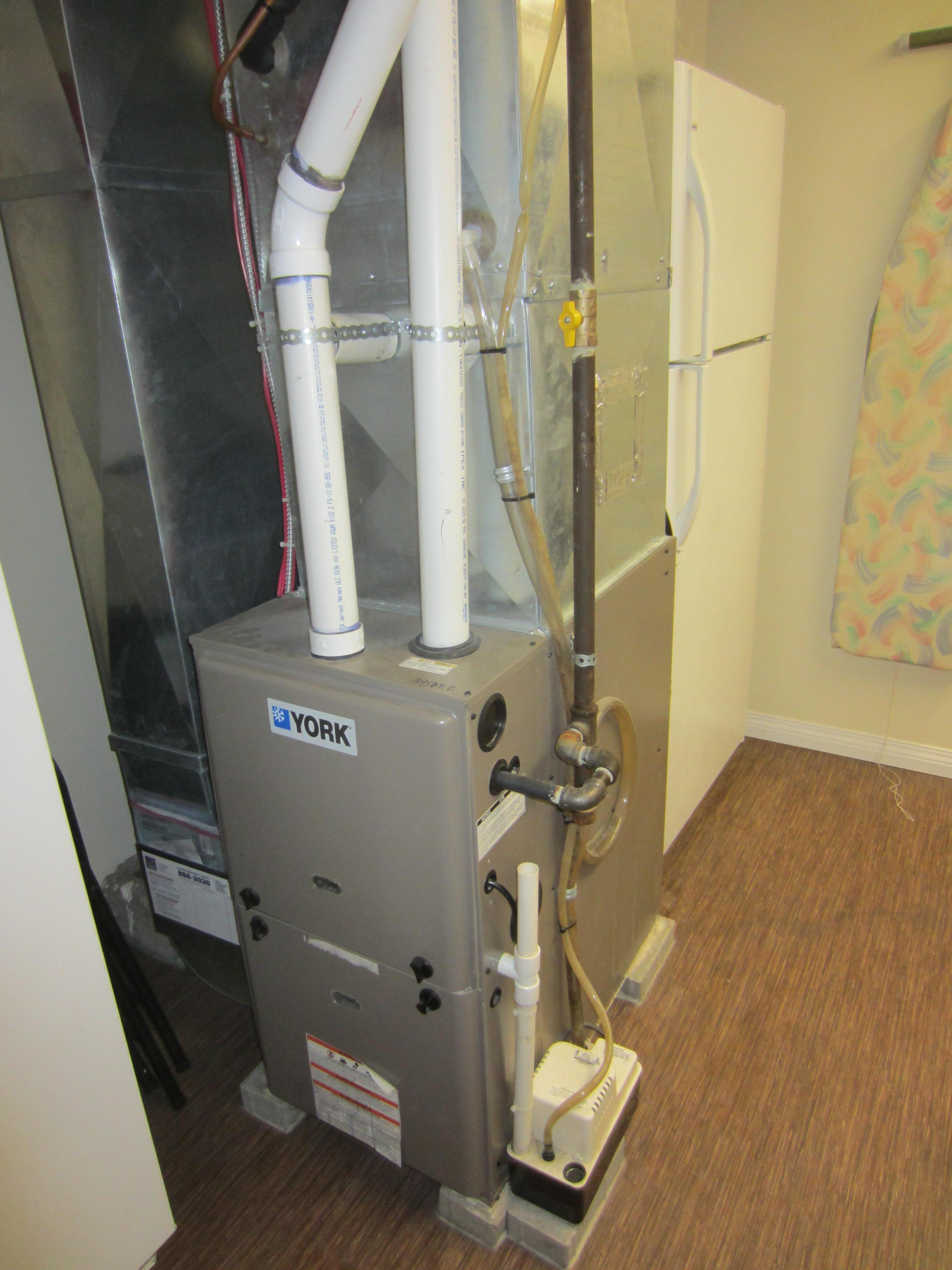
A heating complaint should distinguish no airflow, cool airflow, and heat that stops early. These observations help make the service request more specific.
Heat Pump Heating Performance
Heat-pump operation can feel different from other heating systems. Report the indoor result and operating pattern rather than judging performance from one moment of supply-air temperature.
Thermostat and HVAC Control Problems
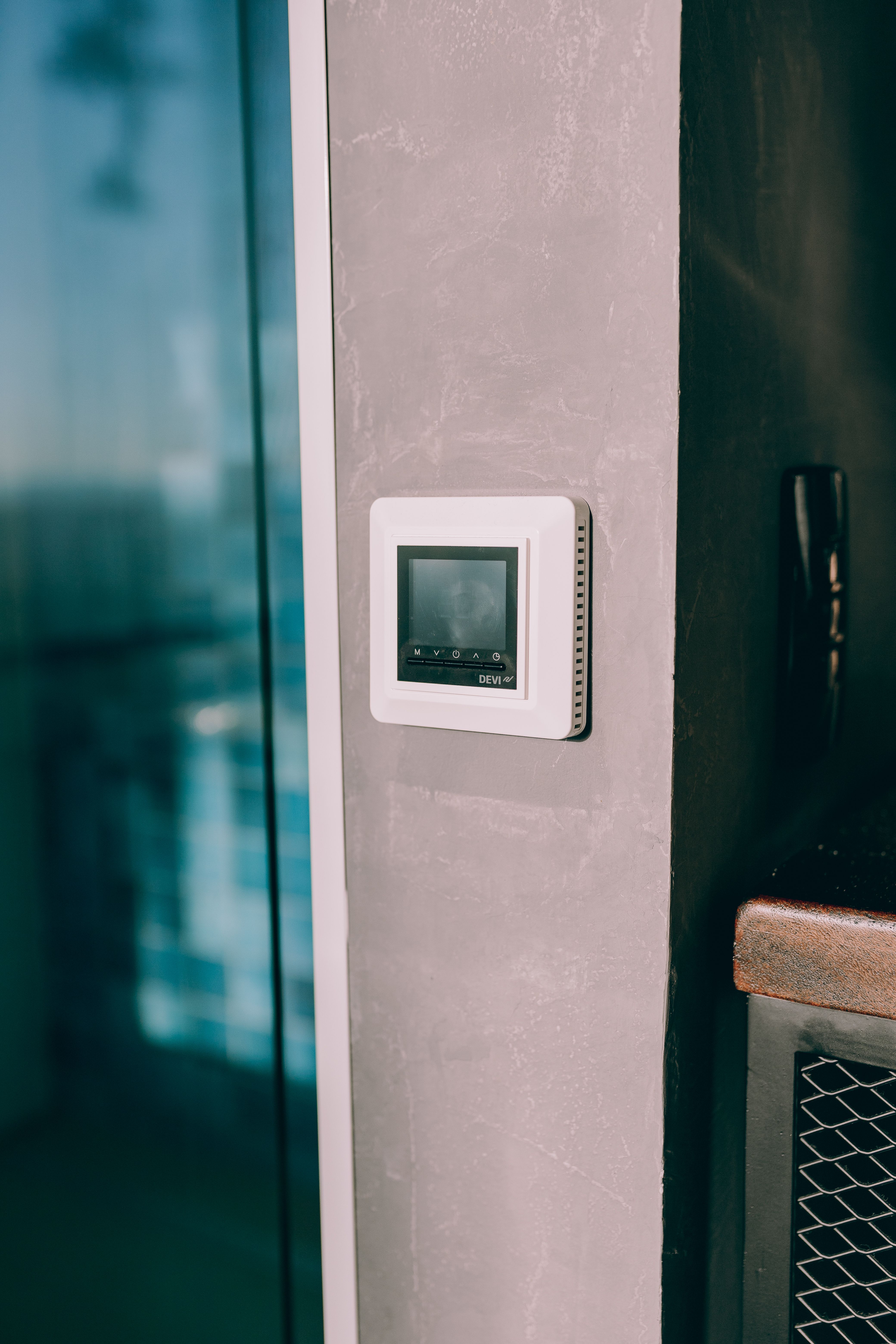
A control problem may affect schedules, temperature readings, or communication with equipment. Describe what the screen shows and what the system actually does.
Heating System Airflow Concerns
Weak airflow can make a heating complaint harder to interpret. Record whether airflow is low everywhere or only at particular outlets.
Seasonal Heating Maintenance Checklist
Preparing for heating season starts with records and access. A useful maintenance visit addresses the installation and its history, including problems noticed during the previous season.
Restaurant Exhaust Fan Not Starting
A hood fan that does not respond to its controls affects kitchen operation. Record which system is involved and whether related equipment responds at the same time.
Restaurant Hood Reduced Airflow
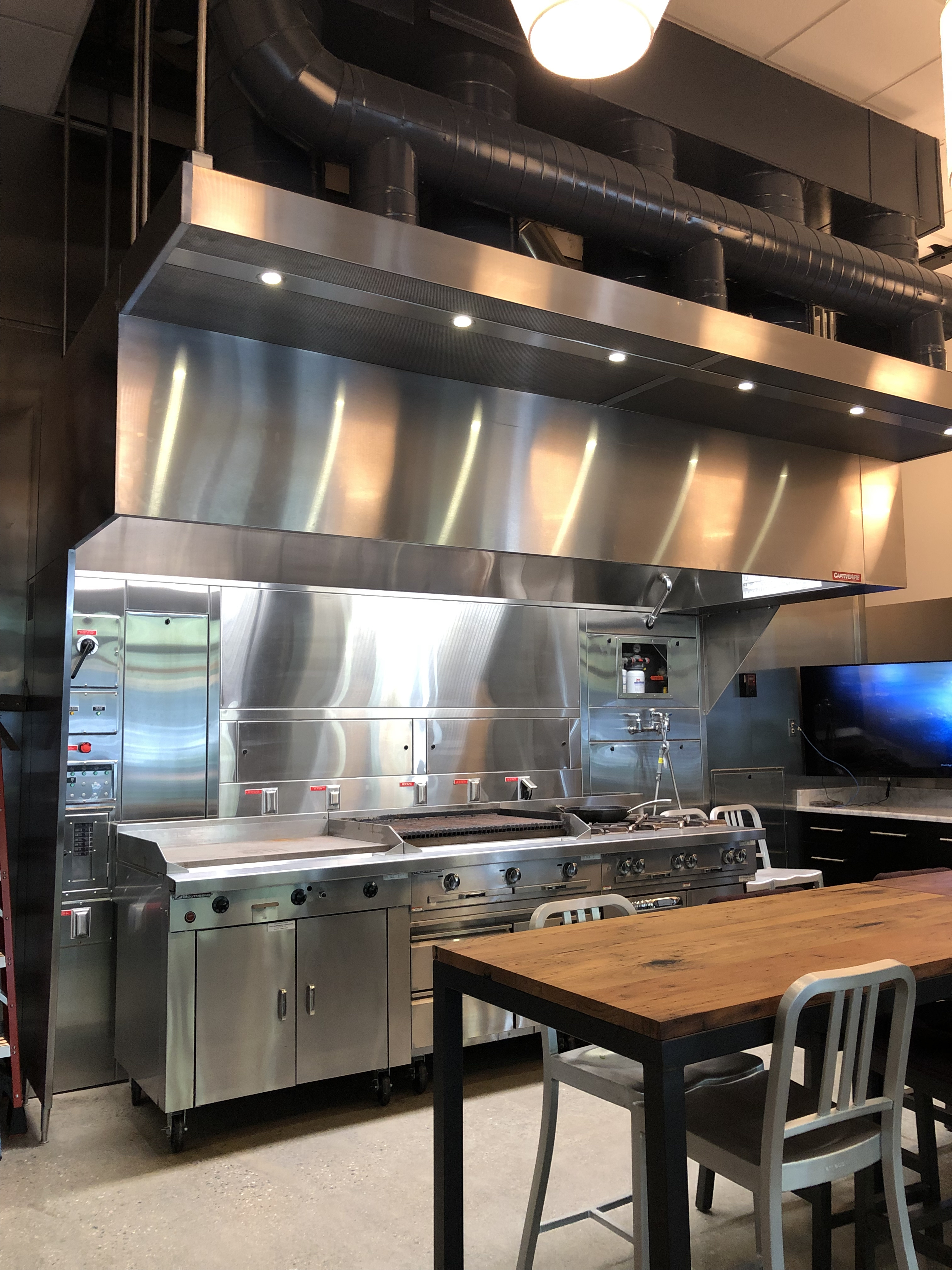
A change in hood capture should be described alongside cooking activity and the makeup-air system. The kitchen and exhaust equipment operate as a connected installation.
Exhaust Fan Vibration and Noise
A new rooftop vibration can be felt inside the building before staff see the fan. Note the operating conditions and the areas where the sound is noticeable.
Makeup Air Unit Service
Makeup air replaces air exhausted from the kitchen and is part of the ventilation discussion. Report comfort and airflow concerns together with hood operation.
Commercial Kitchen Ventilation Maintenance
Ventilation maintenance should identify the equipment and the limits of each service scope. Fan repair, hood cleaning, and fire-suppression work are not interchangeable.
Commercial Refrigeration Maintenance Records
A short, consistent equipment record helps a business explain recurring problems. The goal is a usable history that follows the unit when managers or shifts change.
Preparing a Commercial Equipment Service Request
A precise service request helps the team understand the work before arriving. Start with the affected equipment and what changed, then add access and scheduling details.
Repair or Replace Commercial Refrigeration
A repair-or-replace decision should consider the diagnosis and the business need together. Collect enough information to compare practical options rather than relying on age alone.
Beer Glycol Cooling System Service
A draft-beer cooling concern may involve more than the refrigeration unit. Describe whether the issue affects every line, one tap, or particular operating periods.
Commercial Equipment Service Access Checklist
Equipment can be difficult to assess when labels, panels, or rooftop access are blocked. Plan access before the appointment while keeping facility procedures in place.